

By Ogbitse Meyiwa
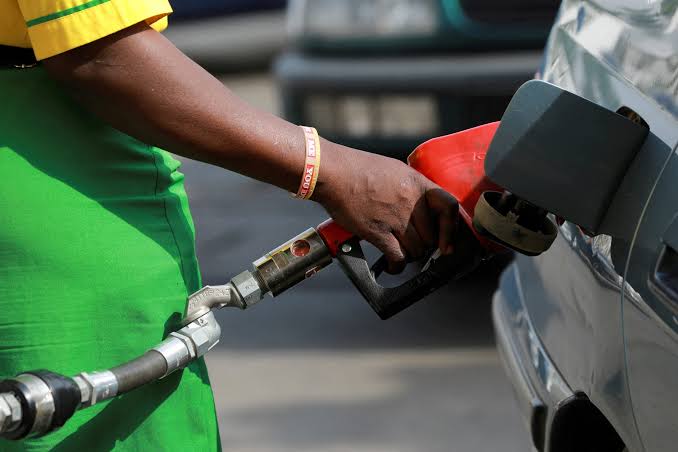
The significant increase in petrol prices since Bola Ahmed Tinubu took over from former President Buhari is no news to Nigerians. After announcing the removal of the fuel subsidy, petrol prices in Nigeria have been unstable, fluctuating and greatly affecting transportation across the country. The current price ranges from ₦1,140 to ₦1,200 per litre.
Nigerians have been calling on the federal government to reverse the petrol prices, as it has become too expensive for many to afford. The constant rise in fuel prices is impacting various businesses, contributing to the increase in the cost of food and other essential goods that rely on petrol for operation.
Minister of Information and National Orientation, Mohammed Idris, stated that the government should not be blamed for the recent hike in petrol prices. He explained that the Nigerian National Petroleum Company Limited (NNPCL) made the decision based on prevailing circumstances in the energy industry, and not under instruction from the federal government. Under the provisions of the Petroleum Industry Act (PIA), the government can no longer fix the prices of petroleum products.
Idris further explained that, with the end of the subsidy regime in May 2023, the NNPCL had been paying the differential to maintain the price within a certain range. However, the company stated it could no longer absorb the losses.
“The price differential is due to several factors, one being the crisis in the Middle East. There’s volatility in the market, which is driving up the prices of petroleum products, consistent with trends in the global energy industry. Additionally, NNPC, as a limited liability company, cannot continue to absorb these losses without operating at a loss,” he said.
He appealed to Nigerians to remain patient and understanding towards the NNPCL and the government, expressing hope that petrol prices will eventually decrease in the long run.

Support ACJ UNIBEN's goal of always bringing truth to light.
Excellent campus journalism requires financial support. Yet, it is this very journalism that contributes to an informed campus community, transparency in educational institutions, and an engaged student body. To continue offering free access to top-notch campus journalism, we invite you to consider making a modest contribution to this worthwhile endeavor. Your support for ACJ UNIBEN's campus journalism ensures its relevance and availability to all students, free of charge, fostering an informed and active campus community.
DONATE