


By,Gabriella Chinwendu Ayigbo
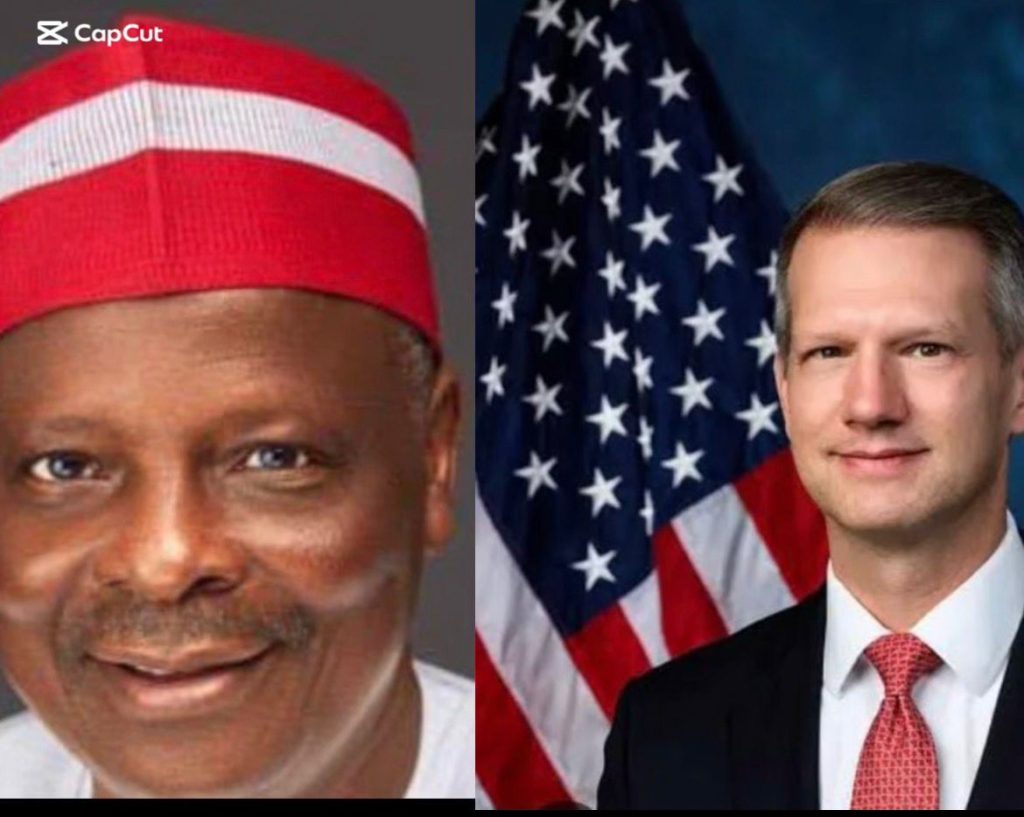
U.S. Republican legislators Riley Moore and Chris Smith introduced the Nigeria Religious Liberty and Accountability Act of 2026, a legislative measure aimed at strengthening oversight of alleged violations of religious freedom in Nigeria.
The proposed Act called for targeted sanctions, including asset freezes, against Rabiu Kwankwaso, former Governor of Kano State, and groups described as “Fulani Ethnic Nomad Militias.”
The bill, introduced on Tuesday in the United States House of Representatives, directed the U.S. Secretary of State to determine whether certain Fulani militias should be designated as a “Foreign Terrorist Organisation” (FTO).
It also requested a comprehensive report to Congress outlining U.S. efforts to address ongoing religious persecution and widespread violence in Nigeria, particularly in the central region.
Moore and Smith emphasised what they described as persistent religious persecution, killings, and destruction allegedly linked to Fulani militias.
The proposed legislation also referred to former President Trump’s reclassification of Nigeria as a “Country of Particular Concern” (CPC) under the International Religious Freedom Act.
If enacted, the sanctions would have been imposed under the Global Magnitsky Human Rights Accountability Act, targeting individuals and entities found responsible for violations of religious freedom.
The bill specifically named Rabiu Kwankwaso, describing him as an influential political figure, alongside certain herder groups.
Observers expressed mixed reactions. Some argued that linking public officials to terrorist activities could strain U.S.–Nigeria diplomatic relations, while others maintained that the measure represented a necessary step toward addressing impunity and safeguarding religious freedoms.
The Nigerian Government and the individuals named in the bill had yet to issue an official response. The legislation remained at an early stage and required further congressional review before it could be enacted into law.