


By Rhoda Igbinosa
The Minister of Education, Dr Tunji Alausa, is endorsing the implementation of a 12-year basic education model to replace secondary schools in Nigeria.
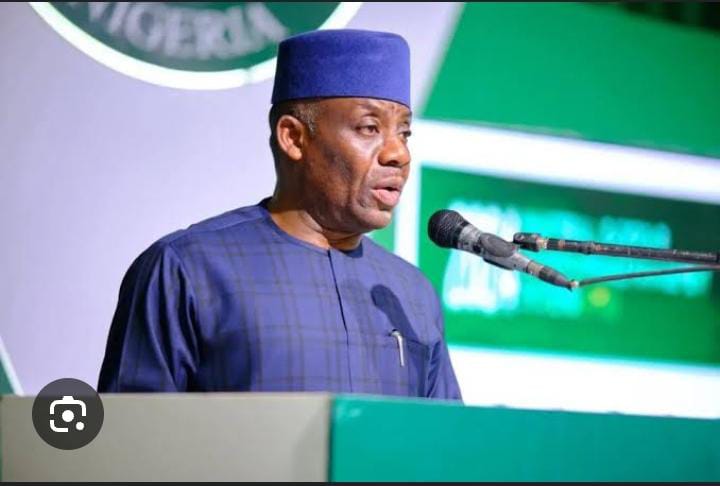
Dr Alausa spoke on Thursday at the 2025 extraordinary meeting of the National Council on Education (NCE) in Abuja.
The meeting was organised by the commissioners for education from the 36 states and the FCT, MDAs, and other development partners. Dr Alausa stated that ending the 6-3-3-4 model and introducing a 12-4 model would transform education in Nigeria to align with global standards.
The Nigerian education system currently operates the 6-3-3-4 structure, where a child starts schooling at six and spends six years each in primary and secondary education. At the end of secondary school, they are expected to be 18 years old.
Alausa said the government is seeking permission from the NCE to set 16 years as the minimum entry age for tertiary institutions. He explained that including secondary school under basic education would ensure continuous learning until students turn 16.
The minister added that the proposed 12-year basic education system would minimise dropout rates by removing financial and systemic barriers. He noted that it would upgrade the curriculum and offer early vocational training to equip students for tertiary education and employment.
According to Dr Alausa, if the policy is adopted, it is expected to enhance economic and social development by preparing young people with essential skills and reducing child labour. Key implementation measures would include policy reforms, infrastructure expansion, teacher training, and curriculum development.