


By Gabriella Chinwendu Ayigbo
On Monday, 4th November 2024, President Tinubu ordered the release of minors who had allegedly been detained since August during anti-government protests. This directive from the President followed public outrage over the trial on Friday of at least 76 people, of whom 52 were reported to be minors aged between 14 and 17 years. Four of these minors reportedly collapsed in the courtroom during the trial.
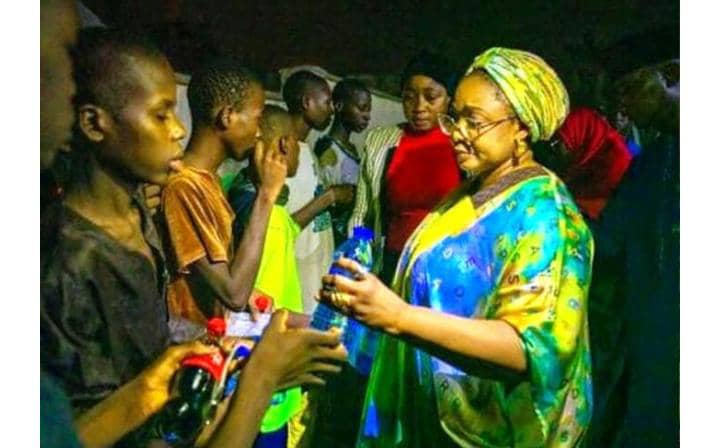
The release of these minors was announced by the Minister of Information and National Orientation, Idris Mohammed, to State House correspondents during an emergency briefing at the Aso Rock Villa, Abuja. He also stated that the President had directed the Ministry of Humanitarian Affairs and Poverty Reduction to immediately attend to the welfare of these minors and to ensure their smooth reunion with their parents and guardians across the country. An administrative committee, led by the Minister of Humanitarian Affairs, will be set up to examine all issues surrounding the arrest, detention, treatment, and eventual release of these children, who had faced ten charges, including treason, property destruction, public disturbance, and mutiny.
Additionally, the President directed that all law enforcement agents involved in the arrests and legal processes be investigated, with disciplinary actions to be taken against any government officials found to have committed misconduct.
Following the emergence of court footage, the Nigerian Rights Organization condemned the treatment of the minors, labelling it “institutional child abuse.” Amnesty International described the children’s detention as one of the harshest attempts to suppress freedom of assembly.
Observers commented that the decision to drop the charges and release the children was an attempt to preserve Nigeria’s image, suggesting that a more balanced approach towards protesters calling for better governance could have avoided this embarrassment.